Despite expectations, rodent problems are common in Summerlin, even in newer homes and well-maintained neighborhoods. Many homeowners assume rodents only target older properties or areas with poor sanitation, but in Southern Nevada, geography plays a major role in where rodent activity develops.
Summerlin’s location along the edge of the desert, combined with elevated terrain, wash systems, landscaping, and ongoing development, creates ideal conditions for rodents searching for food, water, and shelter. As construction continues expanding across the Las Vegas Valley, rodents are regularly displaced from natural habitats and pushed closer to residential communities.
During extreme summer heat, especially, the problem becomes even more noticeable. Rodents naturally move toward cooler, shaded environments with reliable moisture, which frequently leads them into garages, attics, wall voids, and outdoor living areas throughout Summerlin, Las Vegas, and Henderson neighborhoods.
Why Rodents Are So Common in Southern Nevada
Southern Nevada’s desert climate creates excellent conditions for rodents to search for food, water, and shelter. During extreme Las Vegas heat, rodents naturally move toward cooler and wetter environments, which often leads them directly into residential neighborhoods.
As city growth expands further into undeveloped desert areas, rodents find themselves pushed closer to homes, garages, attics, and landscaped communities. This is one reason pest control issues continue increasing throughout Summerlin, Henderson, and the greater Las Vegas Valley.
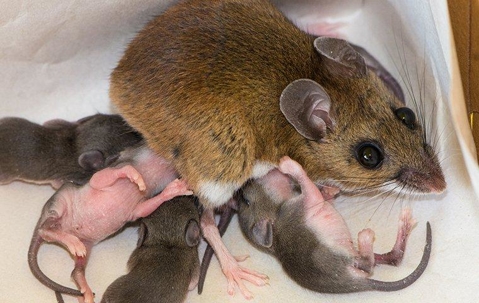
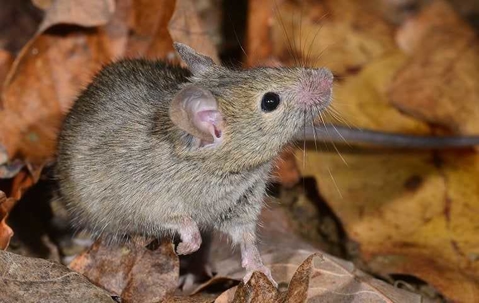
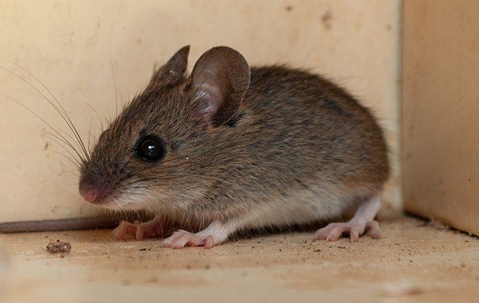
Common rodents found in the area include roof rats, house mice, and Norway rats, each of which adapts well to urban and suburban environments.
How Summerlin’s Geography Contributes to Rodent Activity
Desert Edge Location
One of the biggest reasons Summerlin experiences higher rodent activity is its proximity to natural desert and mountain terrain. Many neighborhoods sit directly alongside undeveloped desert areas where rodents naturally live and travel.
As temperatures fluctuate or development expands, rodents begin migrating toward residential areas that offer easier access to food, irrigation, shade, and shelter.
And being some of the newest developments in the valley, Summerlin has a front row seat to this ecological mingling.
Elevated Terrain and Washes
Summerlin’s elevated terrain and extensive wash systems also play a major role in rodent movement. Drainage channels, rocky slopes, and protected wash corridors give rodents safe travel routes through neighborhoods without being easily noticed.
These natural pathways allow rodents to move between desert areas and residential communities while hiding from potential predators and human activity.
Landscaping and Greenbelts
Summerlin’s lush landscaping creates another major attraction for rodents.
In a dry desert environment, irrigated landscaping provides reliable water and shelter that rodents may struggle to find naturally. Dense shrubs, palm trees, decorative ground cover, HOA-maintained greenbelts, and shaded community areas all create ideal hiding and nesting conditions.
Neighborhoods with mature landscaping often experience more roof rat activity because rodents can move through trees, walls, and rooftops without getting noticed.
New Construction and Development
Ongoing development throughout the Las Vegas Valley also contributes to rodent problems.
Construction disrupts existing nesting areas and forces rodents to relocate quickly. As desert land is cleared for roads, commercial projects, and new housing, rodents frequently move into nearby residential neighborhoods searching for new shelter.
This is one reason homeowners sometimes notice a sudden uptick in rodent activity shortly after nearby construction begins.
Why Roof Rats Thrive in Summerlin
Roof rats are especially common in Summerlin because the community offers many of the elevated access points they prefer.
Unlike some rodents that stay near the ground, roof rats are excellent climbers and often travel along:
- Trees
- Block walls
- Rooflines
- Utility lines
Once they gain access, they commonly nest in attics, garages, storage spaces, and hidden structural voids. Summerlin’s combination of mature landscaping and tightly connected residential neighborhoods makes it easier for roof rats to move between properties unnoticed.
Because they are nocturnal and highly adaptable, infestations can grow for long periods before homeowners realize activity is occurring.
Learn more about the signs of rodent activity in Summerlin.
Why Rodent Problems Often Get Worse in Summer
The Vegas Valley experiences a unique dilemma regarding rodent control compared to other parts of the US. Extreme summer temperatures in Southern Nevada increase rodent pressure significantly.
As outdoor heat intensifies, rodents begin searching more aggressively for cooler environments and accessible water sources. Homes provide insulation, shade, moisture, and protection, making them extremely attractive during peak summer months.
Sudden downpours can also contribute to sudden rodent movement. While we don’t see consistent rain in the valley, the occasional heavy rain and flash flooding in washes may temporarily displace rodent populations and push them into garages, attics, crawl spaces, and surrounding neighborhoods.
This seasonal activity is one reason rodent control becomes such a common concern during Las Vegas summers.
Why Professional Rodent Control Matters
Many homeowners attempt to solve rodent issues using traps alone, but like a bandage on a wound, infestations often involve more complex factors like hidden nesting areas, multiple access points, and ongoing environmental factors surrounding the property.
Professional pest control focuses on identifying the full scope of the problem instead of only treating visible activity. This may include locating nesting zones, identifying travel pathways, inspecting entry points, and monitoring long-term activity patterns.
Integrated pest management strategies are especially important in areas like Summerlin because the surrounding geography continues influencing rodent movement even after initial treatment.
For homeowners dealing with recurring infestations, professional Summerlin pest control services can help address both the rodents themselves and the environmental conditions attracting them in the first place.
Next Steps for Homeowners
Rodent problems in Summerlin are not simply caused by dirty homes or poor maintenance. In many cases, the area’s geography, desert surroundings, landscaping, elevated terrain, and ongoing development all contribute to higher rodent activity.
Understanding why rodents move into residential neighborhoods helps homeowners respond earlier and prevent larger infestations over time.
For homeowners looking for long-term rodent control solutions, Anver Pest Control provides professional pest control services throughout Summerlin, Las Vegas, and Henderson to help keep homes protected year-round.
Pick your pest control plan today..
Frequently Asked Questions
Summerlin’s proximity to desert terrain, elevated wash systems, mature landscaping, and ongoing development creates ideal conditions for rodents searching for food, water, and shelter.
Roof rats, house mice, and Norway rats are among the most common rodents found throughout Summerlin, Las Vegas, and Henderson neighborhoods.
Extreme desert heat pushes rodents toward cooler indoor environments with reliable moisture sources. Homes often provide shade, insulation, water access, and protected nesting areas during the hottest months of the year.
Yes. Construction and land development can disrupt natural nesting areas and force rodents into nearby residential communities searching for new shelter and food sources.
Rodent infestations often involve hidden nesting areas, multiple entry points, and ongoing environmental conditions around the property. Professional pest control helps identify the source of the problem and provides longer-term prevention solutions.