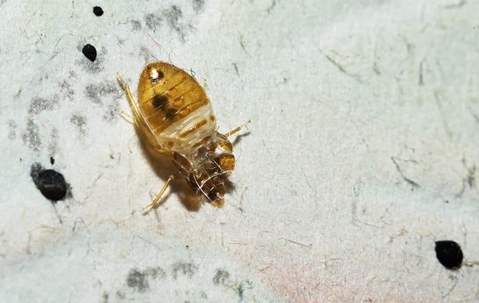
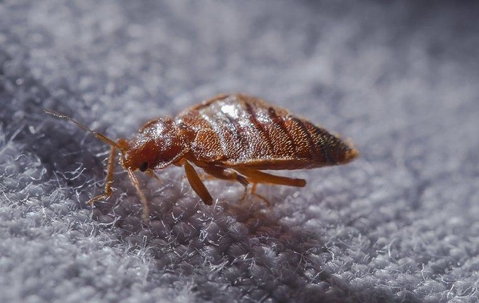
Finding bed bugs in your home can be unsettling. These pests hide in mattress seams, furniture, baseboards, and small cracks, making infestations difficult to identify and eliminate. Even after finding several bed bugs, others may remain concealed throughout the room.
Heat treatment for bed bugs is a professional pest control method that uses elevated temperatures to kill bed bugs at different stages of their life cycle, including eggs.
If you’re considering this treatment, you probably have several questions. How does the process work? How long will you need to leave your home? How much should you expect to pay?
Understanding the process can help you prepare for treatment and make informed decisions about addressing an infestation.
How Does Heat Treatment for Bed Bugs Work?
Professional bed bug heat treatment uses specialized equipment to raise temperatures inside an affected space to levels that are lethal to bed bugs.
Bed bugs are sensitive to prolonged exposure to high temperatures. Research has shown that temperatures around 118°F can kill adult bed bugs with sufficient exposure, while eggs generally require longer exposure. Higher temperatures can shorten the time required, provided the heat reaches the insects.
During professional treatment, technicians commonly heat rooms to approximately 120°F to 140°F. The exact temperatures and exposure times depend on the equipment, treatment protocol, and conditions within the property.
Heat must reach the locations where bed bugs are hiding. Mattresses, upholstered furniture, wall openings, and other concealed spaces can warm more slowly than the surrounding air.
Pest control professionals use temperature sensors and monitoring equipment to evaluate conditions throughout the treatment area. This helps them determine when targeted locations have reached the temperatures required for effective treatment.
Properly applied heat can kill adult bed bugs, immature bed bugs, and eggs. Successful treatment depends on achieving sufficient temperatures for the necessary duration throughout the affected areas.
What Happens During Professional Bed Bug Heat Treatment?
Professional heat treating for bed bugs involves several stages. The exact process varies depending on the property’s size, layout, and infestation.
Inspection and Assessment
The process generally begins with an inspection to identify signs of bed bugs and evaluate the affected areas.
A technician may examine mattresses, bed frames, furniture, baseboards, and other potential hiding places. The inspection helps determine the extent of the infestation and whether heat treatment is an appropriate option.
Preparation and Equipment Setup
Before heating begins, the treatment area must be prepared according to the pest control provider’s instructions.
Technicians position specialized heating equipment and temperature sensors throughout the space. Depending on the treatment method, they may use air-moving equipment to help distribute heat.
Certain belongings may need to be removed or handled separately because high temperatures can damage them.
Heating and Temperature Monitoring
Once the equipment is operating, temperatures gradually increase throughout the treatment area.
Technicians monitor conditions and may adjust equipment or reposition items to improve heat distribution. The objective is to achieve lethal temperatures in locations where bed bugs could be hiding.
The treatment continues until the required temperature and exposure conditions have been met.
Afterward, the space must cool sufficiently before occupants can safely return.
How Long Does Bed Bug Heat Treatment Take?
Professional bed bug heat treatment typically takes several hours. Many whole-room or whole-home treatments require approximately six to eight hours of heating, although some jobs may take longer.
The complete appointment can extend beyond the heating period because technicians also need time to set up equipment, monitor temperatures, and allow the space to cool.
Several factors influence the treatment duration:
- Property size and layout: Larger homes and complicated floor plans may require additional heating time and equipment.
- Furniture and belongings: Mattresses, upholstered furniture, and densely packed areas can take longer to reach the required temperatures.
- Temperature distribution: Technicians must account for locations that heat more slowly, including concealed spaces and areas behind furniture.
The extent of the infestation and the provider’s treatment protocol can also affect scheduling.
If you’re arranging professional heat therapy for bed bugs, ask your pest control provider how long the appointment is expected to take and when you can safely reenter the property.
How Much Does Bed Bug Heat Treatment Cost?
The cost of bed bug heat treatment varies based on the size of the property, the extent of the infestation, and the work required.
For general budgeting, professional heat treatment may cost approximately $1,000 to $3,000 for some residential jobs, while larger or more complex whole-home treatments can exceed that range. These figures are broad industry estimates, and actual pricing in Las Vegas and Henderson will depend on the provider and property.
Several factors can affect the final cost.
Size of the Treatment Area
Heating a single room generally requires fewer resources than treating an entire house. Larger treatment areas may require additional equipment, labor, and time.
Extent of the Infestation
The number of affected rooms and the locations where bed bugs are hiding can influence the treatment approach.
Property Conditions
Furniture arrangements, clutter, room layout, and other conditions can affect how efficiently heat circulates throughout the space.
Additional Services
Some treatment plans include follow-up inspections, monitoring, or additional pest control methods. Ask what services are included in the estimate and whether follow-up work carries an additional charge.
A professional inspection provides the best starting point for understanding the treatment requirements and obtaining a property-specific quote.
How Should You Prepare Your Home for Bed Bug Heat Treatment?
Preparation is an important part of the treatment process. High temperatures can affect certain household items, and improper handling of infested belongings can spread bed bugs into other areas.
Your pest control provider should supply preparation instructions specific to the equipment and treatment method being used.
Common preparation requirements include:
- Protecting heat-sensitive belongings: Medications, candles, aerosol containers, certain electronics, and other temperature-sensitive items may need special handling or removal.
- Preparing furniture and personal items: Technicians may request changes to furniture placement or storage arrangements to improve heat circulation.
- Making arrangements for occupants and pets: People, pets, and other living organisms must remain outside the treatment area during heating.
Follow your provider’s instructions for clothing, bedding, luggage, and other belongings that could contain bed bugs.
Moving infested items into an untreated room, vehicle, or another home can spread the infestation. Any items removed before treatment should be handled according to the pest control professional’s recommendations.
Preparation requirements can vary considerably, so confirm the instructions before treatment day.
What Happens After Bed Bug Heat Treatment?
Once heating is complete, the treated space needs time to cool.
Your pest control provider will explain when it is safe to return and whether any additional precautions are necessary.
You may find dead bed bugs or other evidence of the infestation after treatment. Cleaning instructions will depend on the treatment method and any additional products used.
Continue monitoring for signs of bed bug activity, including live insects, shed skins, dark fecal spots, or new evidence around sleeping areas.
Heat treatment does not leave behind a lasting insecticidal residue. Bed bugs that survive in inadequately heated locations, or insects introduced into the home later, can establish another infestation.
Depending on the circumstances, your pest control provider may recommend follow-up inspections, monitoring devices, or additional treatment.
Following the recommended post-treatment instructions can help identify remaining activity and reduce the risk of spreading bed bugs.
Is Heat Treatment Effective for Bed Bugs?
Heat treatment can be highly effective against bed bugs when technicians achieve lethal temperatures throughout the affected locations.
One advantage of professional heat treatment is its ability to kill bed bugs at multiple life stages, including eggs, through sufficient heat exposure.
However, temperature distribution is critical.
Bed bugs may hide deep inside furniture, behind walls, or in other areas where heat penetration is difficult. If those locations remain below lethal temperatures, some insects may survive.
Professional bed bug control may also involve targeted insecticide applications, monitoring, vacuuming, or other integrated pest management techniques.
The appropriate approach depends on the infestation, property conditions, and treatment objectives.
Household space heaters, hair dryers, and attempts to raise indoor temperatures using a home’s thermostat are unreliable methods of eliminating bed bugs. Improvised heating can also create serious fire hazards and damage property.
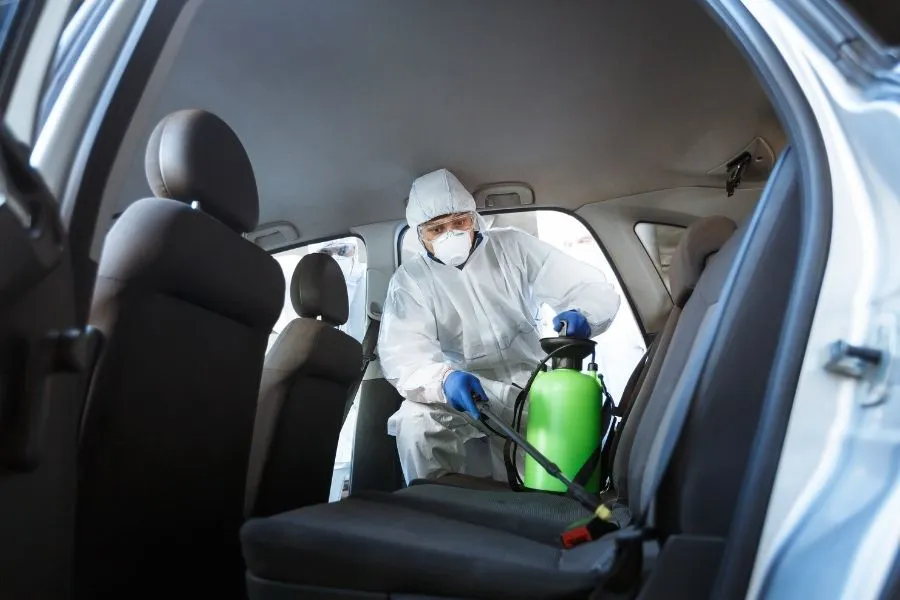
For bed bugs in difficult spots like a car, read our blog for more info.
Professional equipment, temperature monitoring, and appropriate safety procedures are essential when using whole-room heat treatment.
When Should You Call a Professional for Bed Bug Extermination?
Bed bugs reproduce and spread through infested furniture, luggage, clothing, and other belongings. Identifying an infestation early can help limit its spread.
Consider arranging a professional inspection if you notice live bed bugs, eggs, shed skins, or dark spotting around mattresses and furniture.
Unexplained bites may raise suspicion, although skin reactions alone cannot confirm a bed bug infestation.
A pest control professional can inspect potential hiding places, assess the extent of the problem, and recommend an appropriate treatment strategy.
If you’re searching for heat treatment for bed bugs near me in Las Vegas or Henderson, it’s important to ask providers about their treatment methods, inspection procedures, preparation requirements, and follow-up recommendations.
We help homeowners across the Vegas valley address pest problems through professional inspection and treatment recommendations.
If you suspect bed bugs in your home, explore our pest control packages to find the right one for your needs.
Frequently Asked Questions
Yes. Bed bug eggs can be killed through exposure to sufficiently high temperatures for an appropriate duration. Eggs generally require longer heat exposure than adult bed bugs at the same temperature. Professional technicians monitor treatment conditions to help achieve effective temperatures in areas where eggs may be present.
Many professional heat treatments require approximately six to eight hours of heating, although the duration varies. Larger properties, complicated layouts, and areas that warm slowly may require additional time. Equipment setup and cooling can extend the total appointment.
Professional bed bug heat treatment can cost approximately $1,000 to $3,000 for some residential treatments, with larger or more complex jobs potentially costing more. Pricing depends on property size, infestation extent, equipment requirements, and included services. A property-specific inspection is the most reliable way to obtain an estimate.
Yes. Occupants and pets must leave the treatment area while professional heating equipment is operating. Your pest control provider will explain when you need to leave, how long treatment is expected to take, and when it is safe to return.
Yes. Bed bugs may remain if heat fails to reach certain hiding places for a sufficient duration. A new infestation can also occur when bed bugs are introduced through luggage, furniture, clothing, or other belongings. Follow-up monitoring and appropriate prevention practices can help identify and address future activity.