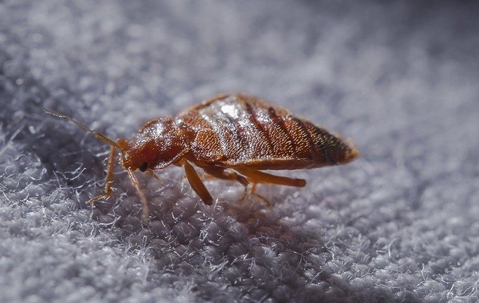
Bed bugs are commonly associated with mattresses, bedrooms, and upholstered furniture. Finding one in your vehicle can raise an immediate question: Can bed bugs live in your car?
They can survive in vehicles under suitable conditions. Bed bugs can be carried into a car on luggage, clothing, bags, furniture, and other belongings. Once inside, they may find protected spaces around seats, upholstery, and interior trim where they can remain concealed.
If you suspect bed bugs in your car, identifying how they arrived and checking other places they may have traveled can help you determine the extent of the problem.
How Do Bed Bugs Get in Cars?
Bed bugs are effective hitchhikers. They can move between locations by hiding in belongings that people carry with them.
Travel is one potential source. A bed bug can hide in luggage, backpacks, clothing, or other personal items and then enter a vehicle when those belongings are loaded into the car.
Used furniture and upholstered items can also introduce bed bugs. Placing an infested item inside a vehicle gives the insects an opportunity to move into seams, crevices, or other protected areas.
A car may also be exposed when someone regularly travels between the vehicle and a location with an active infestation. Bed bugs can be transported on bags, clothing, and personal belongings during these trips.
Finding a bed bug in your vehicle makes it important to consider where you have recently traveled, what you have transported, and whether there are signs of activity in your home.
Can Bed Bugs Live in Your Car?
Yes, bed bugs can survive in a car.
A vehicle contains many protected areas where bed bugs can hide. Possible locations include:
- Seams, folds, and gaps around upholstered seats
- Beneath seats and floor mats
- Cracks and crevices around interior trim
- Bags, blankets, clothing, and other items stored in the vehicle
Bed bugs generally stay close to places where they have opportunities to feed. A vehicle that is used regularly may provide occasional access to people, while the interior offers numerous hiding places between trips.
One bed bug inside a vehicle does not establish how many are present or how long they have been there. A careful inspection can help determine whether there is additional evidence of bed bug activity.
How Long Can Bed Bugs Survive in a Car?
Bed bugs can survive extended periods without feeding. Their survival time varies according to factors such as temperature, humidity, life stage, and environmental conditions.
This means leaving a vehicle unused for several days is an unreliable way to eliminate them. A bed bug concealed beneath a seat or inside a narrow crevice may remain there until another opportunity to feed becomes available.
Southern Nevada presents another important consideration: heat.
Cars parked in the sun can reach very high interior temperatures. Effective heat treatment for bed bugs depends on achieving lethal temperatures throughout all areas where the insects and their eggs may be hiding and maintaining appropriate temperatures for the required period.
A hot dashboard does not tell you the temperature inside a seat seam, beneath carpeting, or deep within another protected area. Leaving a bed bug car in the Nevada sun should not be treated as a reliable method of eliminating an infestation.
Signs of Bed Bugs in a Car
Bed bugs are small and skilled at remaining concealed, so inspecting a vehicle requires attention to more than live insects.
Look closely along seat seams, upholstery folds, beneath seats, around floor mats, and in accessible cracks and crevices.
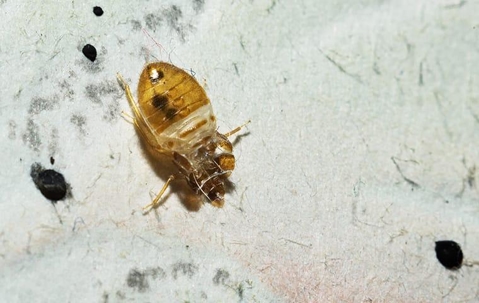
Possible signs of bed bugs in a car include live bed bugs, eggs, shed skins, and dark fecal spotting. These signs may be concentrated around areas where the insects have found suitable hiding places.
Remove unnecessary belongings from the vehicle carefully and inspect them as well. Bags, blankets, jackets, and other stored items may provide additional places for bed bugs to hide.
Skin reactions alone cannot confirm a bed bug infestation. Different insects and medical conditions can produce similar marks or irritation. Finding physical evidence and correctly identifying the insect provides much stronger information about what is happening.
What to Do if You Find Bed Bugs in Your Car
If you find a suspected bed bug, start by limiting opportunities for the insects to travel to additional locations.
Consider the belongings that have recently been inside the vehicle. Luggage, backpacks, clothing, blankets, and other fabric items deserve careful attention, particularly if they have traveled between your vehicle and home.
Wash and dry washable items according to appropriate bed bug treatment recommendations and the item’s care instructions. Keep potentially affected belongings contained while transporting them so insects cannot easily spread.
Inspect your home for signs of bed bugs, especially if the vehicle regularly carries people or belongings between the same locations.
Use caution with pesticides inside a vehicle. Pesticide labels specify where and how a product can legally and safely be used. Applying a household insecticide throughout seats, carpeting, or enclosed vehicle spaces can expose occupants to pesticide residues and may fail to reach concealed bed bugs.
Identifying the source of the infestation is also important. Treating activity inside a vehicle while bed bugs remain established elsewhere creates opportunities for them to be transported back into the car.
How Do You Get Bed Bugs Out of a Car?
Treatment depends on where bed bugs are hiding and how extensive the activity has become.
Vacuuming accessible seams, folds, and crevices can physically remove some bed bugs, eggs, shed skins, and debris. Dispose of vacuum contents carefully afterward so captured insects cannot escape elsewhere.
Items stored inside the vehicle should also be evaluated and treated appropriately. An infested bag or blanket can continue introducing bed bugs after the vehicle itself has been cleaned.
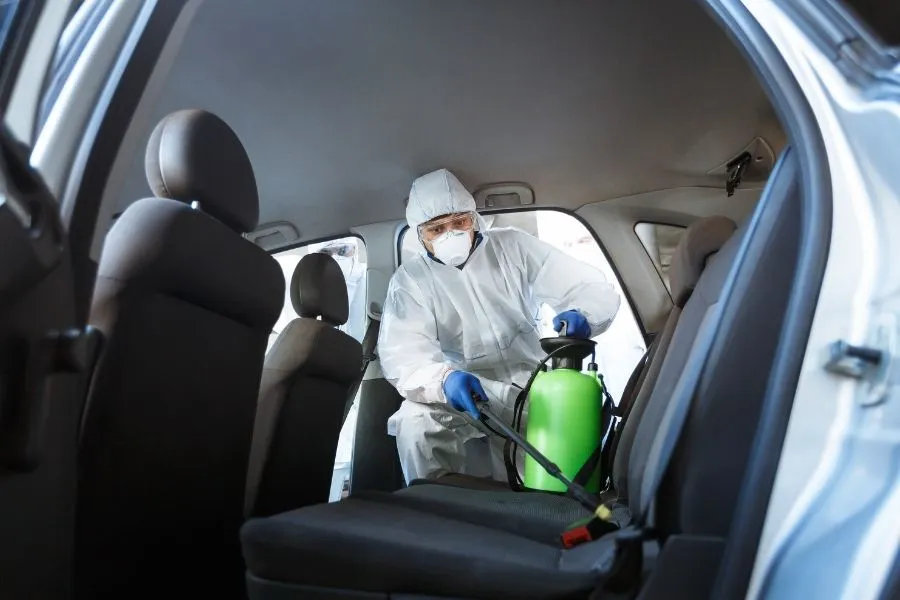
Larger or persistent infestations may require professional guidance. Vehicle interiors contain numerous narrow spaces that can make thorough inspection and treatment challenging.
Avoid relying on foggers, bug bombs, uncontrolled heat, or widespread pesticide applications inside the vehicle. These methods can create safety concerns and may fail to reach bed bugs concealed deep within protected areas.
The source deserves equal attention. Determine whether the bed bugs originated during travel, from an infested item, from your home, or from another frequently visited location.
Could Bed Bugs in Your Car Spread to Your Home?
Bed bugs can travel between a car and a home by hiding in belongings.
For example, a bed bug concealed inside a backpack may travel from an infested location into your vehicle. Bringing the same backpack indoors can give the insect another opportunity to move into your home.
The same process can happen in the opposite direction. An active infestation inside a home can lead to bed bugs being transported into a vehicle on personal belongings.
If you discover bed bugs in your car, think about where the vehicle’s occupants and belongings have recently been. Check frequently transported items and watch for physical signs of activity at home.
Early identification can help establish where bed bugs are present and which areas need attention from the homeowner or professional bed bug extermination experts.
When to Call Anver Pest Control
Professional evaluation is appropriate when you find recurring evidence of bed bugs, suspect activity inside your home, or cannot determine where the insects are coming from.
Proper identification is an important first step. Other small insects can be mistaken for bed bugs, and confirming the pest helps guide the next steps, such as heat treatment.
Anver Pest Control can inspect your home for bed bug activity, evaluate likely hiding areas, and develop an appropriate treatment strategy when an infestation is present.
If you discover bed bugs in your vehicle and suspect they may also be inside your home, Anver Pest Control offers a variety of packages that can address your bed bug concerns.
Frequently Asked Questions
Yes. Bed bugs can survive in vehicles when environmental conditions allow it. They may hide in seat seams, upholstery, carpeting, interior crevices, and belongings stored inside the car. Their presence may result from an infested item or repeated transportation between the vehicle and another infested location.
Survival time varies based on temperature, humidity, life stage, feeding opportunities, and other environmental conditions. Bed bugs can survive extended periods without feeding, so leaving a vehicle unused for several days does not provide a reliable method of eliminating them.
A parked vehicle can become extremely hot in Nevada, but reliable bed bug heat treatment requires lethal temperatures to reach the insects and eggs throughout their hiding places for an adequate period. Protected areas beneath seats, inside upholstery, and within crevices may experience different temperatures. Sun exposure should not be relied upon as a bed bug treatment.
Possible signs include live bed bugs, eggs, shed skins, and dark fecal spotting. Inspect seat seams, upholstery folds, floor mats, areas beneath seats, and accessible cracks and crevices. Check belongings stored in the vehicle for additional evidence.
Yes. Bed bugs can hitchhike on luggage, backpacks, clothing, blankets, and other belongings. An insect concealed in an item inside your vehicle can travel indoors when that item is brought into your home. If you find bed bugs in your car, inspect frequently transported belongings and watch for signs of activity at home.