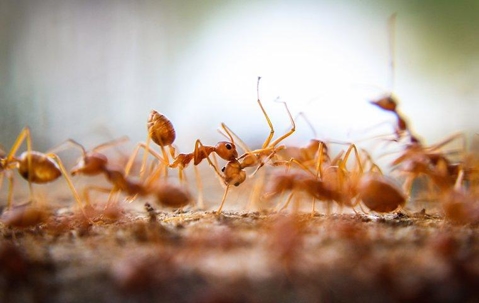
You wipe a line of ants off your kitchen counter, clean the area, and put away the food they were crawling toward. The next morning, another line of ants appears in the same spot.
If you are trying to figure out how to get rid of ants in the kitchen, the first step is understanding why they keep returning. The ants you see are usually workers searching for food or water. Their colony may be located outdoors, inside a wall void, or in another sheltered area of your home.
Addressing an active infestation involves finding where ants are traveling, reducing the resources attracting them, and selecting a treatment that reaches the source of the activity.
Why Ants Keep Appearing in Your Kitchen
Kitchens provide several resources that attract foraging ants. Crumbs, food residue, unsealed pantry items, and spills can offer an accessible food source. Moisture around sinks, dishwashers, and other kitchen fixtures may also attract ants searching for water.
When a worker ant finds a suitable resource, it may leave a chemical trail that helps other ants from the colony follow the same route. This can explain why a few ants near the sink or pantry quickly become a steady line across the counter.
Removing the visible ants may temporarily reduce activity. If the colony continues to have access to your kitchen, more workers can follow the established route or find another way inside.
The unique resources of your kitchen influence the appearance of ants. Identifying what is happening on your property can help determine the appropriate treatment.
How to Find Where Ants Are Coming From
If you notice a trail of ants, observe their movement before cleaning the area. Follow the trail in both directions to see where the ants enter your kitchen and what appears to be attracting them.
Check along countertops, backsplashes, cabinet edges, and baseboards. Ants may travel through small gaps around windows and doors or openings where utility lines pass through walls.
Pay particular attention to the area beneath your kitchen sink. Openings around pipes can provide access from wall voids or other parts of the building.
You may also notice ants emerging from behind appliances or moving along the edges of pantry shelves. Follow their route as far as you can safely observe it.
The point where ants enter your kitchen may be some distance from their colony. Depending on the species, ants may nest outdoors in soil or landscaping, within structural voids, or in other sheltered locations.
Make a note of where the trail begins, where the ants are gathering, and whether activity increases at certain times of day. These observations can help a pest control professional investigate the infestation.
What to Do When You Find Ants in the Kitchen
Once you have identified the areas where ants are active, take steps to reduce the food and moisture sources that may be attracting them.
Remove exposed food, wipe up spills, and clean crumbs from countertops, floors, and the spaces around appliances. Check pantry shelves for open packages or food residue, and transfer vulnerable items into sealed containers.
Inspect the area around the kitchen sink for standing water or persistent moisture. Empty and clean food waste containers regularly, and avoid leaving dirty dishes or food scraps out overnight.
After observing an active ant trail, clean the affected food-preparation surfaces. Continue monitoring nearby cabinets, baseboards, and entry points for additional activity.
If ants are coming in through walls and doors, our blog may give you more information to prevent the spread.
These steps can reduce the resources available to foraging ants and help you manage the immediate problem. If ants continue appearing, the infestation may require treatment that addresses the colony or its access to your home.
What Is the Best Way to Get Rid of Ants in the Kitchen?
The best way to get rid of ants in the kitchen depends on the species involved, where the colony is located, and how extensively ants have established themselves around your property.
Ant baits are one treatment option. A bait contains an attractant and an active ingredient that foraging ants collect. Depending on the product and ant species, workers may carry the bait back to their colony, allowing treatment to reach ants beyond those visible in the kitchen.
Bait selection and placement are important. Different ant species have different feeding preferences, and those preferences may change with the colony’s needs. A bait that attracts one species may receive little attention from another.
If you use a consumer ant bait, choose a product labeled for the intended location and follow its directions carefully. Keep bait stations away from food-preparation surfaces and place them where children and pets cannot access them, as directed by the label.
Avoid applying household insecticide sprays near active bait placements unless the product instructions specifically allow it. Repellent products can disrupt foraging activity and interfere with ants collecting the bait. Certain ant species may also respond to some treatments by dispersing or establishing additional nesting sites.
A professional can identify the ants involved and select a treatment strategy appropriate for the species, infestation, and areas where activity has been found.
Why Ants May Return After You Treat the Kitchen
Recurring ant activity can indicate that the colony remains established and workers continue finding their way into your home.
A treatment may reduce the ants traveling across a countertop while leaving other foraging routes active. Ants may also enter through several gaps around the kitchen, making it difficult to identify every access point through observation alone.
Food residue, moisture, and sheltered nesting areas can support continued activity. In some cases, multiple colonies or nesting sites may contribute to the problem.
The ant species also affects how an infestation responds to treatment. Different species have different nesting habits, feeding preferences, and responses to pest control products.
If you continue finding ants after your initial efforts, further inspection can help identify the source of the activity and determine whether additional or different treatment is needed.
When to Call Anver Pest Control for Kitchen Ants
Professional pest control may be appropriate when ants repeatedly return, appear in several areas of your kitchen, or continue emerging from locations you cannot easily inspect.
Anver Pest Control can assess ant activity, identify the species involved, and examine likely entry points and nesting areas. This information helps guide treatment selection and determine which parts of the property require attention.
Professional assistance is especially valuable when the colony’s location is unclear or previous treatments have failed to resolve the infestation.
If you have observed an established trail, recurring activity near a particular cabinet, or ants entering through a wall opening, share those details during your inspection. Knowing where and when activity occurs can help narrow the investigation.
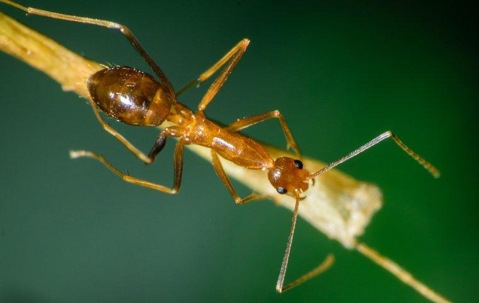
If you’re wondering what a “sugar ant” even is, read our blog for more info.
How to Prevent Ants From Returning to Your Kitchen
After an active infestation has been addressed, ongoing maintenance can help make your kitchen less attractive to foraging ants.
Keep food in sealed containers, clean spills promptly, and remove crumbs from countertops, floors, and pantry shelves. Pay attention to areas beneath appliances and around waste containers where food residue can accumulate.
Address persistent moisture around sinks and other kitchen fixtures. Inspect accessible gaps around doors, windows, and utility openings, and seal appropriate entry points after the source of ant activity has been evaluated.
Continue monitoring the areas where ants previously appeared. Early signs of renewed activity can help you recognize a developing problem before trails become widespread.
For properties with recurring infestations, a professional pest management plan with Anver Pest Control may help address ongoing ant pressure around the home.
Get Help With an Active Kitchen Ant Infestation
Ants returning to the same kitchen counter day after day may indicate an established colony with continued access to your home. Finding their entry points, identifying the species, and selecting an appropriate treatment are important steps toward resolving the infestation.
Anver Pest Control helps homeowners in Las Vegas, Henderson, and surrounding service areas address active ant problems. If ants keep appearing in your kitchen, contact Anver Pest Control to schedule an inspection and discuss treatment options for your home.
Frequently Asked Questions
Begin by observing active ant trails to identify where the ants are entering and what is attracting them. Remove exposed food, clean spills and crumbs, and address accessible moisture sources. An appropriate ant bait or professional treatment may be needed to address the colony. The time required depends on the species, infestation, and treatment used.
Follow an active trail toward its entry point. Check cabinet edges, baseboards, window and door gaps, and openings around pipes beneath the sink. The colony may be located beyond the visible entry point, so persistent activity may require a professional inspection.
Cleaning removes food residue and may disrupt established trails, but ants can continue entering if their colony remains active and access points are available. Additional food or moisture sources may also be attracting them. Recurring activity can indicate that the underlying infestation still needs to be addressed.
Ant baits can help address certain infestations by allowing foraging workers to carry an active ingredient back to the colony. Sprays may be appropriate in other situations, depending on the ant species and treatment plan. Product selection, placement, and correct use affect the results. A pest control professional can determine an appropriate approach for your kitchen.
Consider professional pest control if ants repeatedly return after cleaning or treatment, appear in multiple locations, or emerge from areas you cannot inspect. Anver Pest Control can identify the species, investigate likely entry points and nesting areas, and recommend a treatment strategy for the active infestation.