Finding a cockroach in your bathroom sink or shower can raise an immediate concern: where did it come from? If you’ve noticed large cockroaches around your drains, there’s a possibility they’re entering through your plumbing system or through openings around nearby pipes.
Commonly called sewer roaches, these pests thrive in environments that provide moisture, shelter, and access to food. Sewer systems offer many of these conditions, making them attractive habitats for certain cockroach species.
For homeowners, understanding how sewer roaches enter a property is an important part of preventing recurring infestations. Plumbing conditions, structural openings, and moisture problems can all contribute to cockroach activity around sinks, bathrooms, and drains.
What Are Sewer Roaches?
The term sewer roach generally refers to cockroach species commonly associated with sewers, drainage systems, and other damp environments.
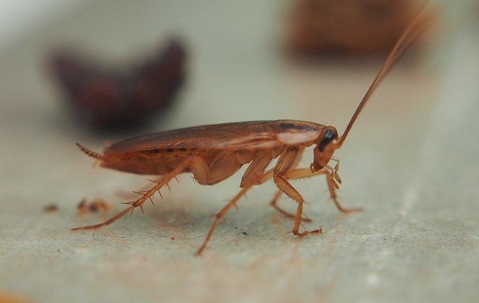
One of the most recognizable examples is the American cockroach, a large species that can grow to approximately two inches long. American cockroaches have reddish-brown bodies, long antennae, and a distinctive yellowish marking behind the head.
These cockroaches prefer warm, humid environments and are frequently associated with sewer infrastructure, utility spaces, and other protected areas.
In Southern Nevada, sewer systems can provide favorable conditions for cockroaches even during periods of extreme outdoor heat or cooler winter weather.
Other cockroach species may also appear around plumbing fixtures. Correctly identifying the species helps determine where the insects are likely hiding and which treatment methods may be appropriate.
Do Cockroaches Live in Drains and Sewers?
Homeowners frequently ask, do cockroaches live in drains? The answer depends on the plumbing environment and the species involved.
Sewer systems can support cockroach populations because they provide relatively stable temperatures, moisture, and access to organic material. Cockroaches may shelter along sewer walls, inside utility infrastructure, and around drainage connections.
Inside residential properties, cockroaches can also gather near sinks, floor drains, and plumbing fixtures where moisture is available.
A properly functioning plumbing system includes barriers that help prevent sewer gases and pests from entering occupied spaces. One of the most important is the P-trap, the curved section of pipe commonly found beneath sinks.
The P-trap holds water that creates a seal between the drain opening and the connected drainage system. When this water seal is intact, it helps block cockroaches from traveling directly through the pipe.
However, plumbing defects, dry traps, and other openings can create potential access routes.
Cockroaches may also enter through gaps surrounding pipes, making it important to inspect the entire plumbing area when activity occurs near a drain.
Why Do Sewer Roaches Come Up Through Your Drains?
Several conditions can allow sewer cockroaches to reach areas inside a home. Understanding these potential entry points can help homeowners identify problems that require attention.
- Dry P-traps: Drains that receive little use may lose their water seal through evaporation. This can create an opening between the indoor drain and the connected plumbing system.
- Damaged or deteriorating pipes: Cracks, disconnected fittings, and other plumbing defects may provide access from concealed spaces or underground areas.
- Unsealed plumbing penetrations: Openings around pipes where they pass through walls, cabinets, or flooring can allow cockroaches to move between hidden spaces and occupied rooms.
- Problems with sewer connections: Defects within drainage infrastructure may create conditions that allow pests to move into portions of a building’s plumbing system.
Moisture and food residue can also attract cockroaches to sinks and drains. Grease buildup, leaking connections, and damp cabinets may provide resources that encourage insects to remain in the area.
When homeowners notice roaches coming up drains, identifying the actual entry point is essential. A cockroach discovered inside a sink may have entered through an opening elsewhere in the room.
How to Tell if Roaches Are Coming From Your Drains
Determining where cockroaches enter your home requires careful observation.
Begin by noting where and when you see them. Cockroaches are generally most active at night, so repeated sightings around sinks, showers, and floor drains may indicate nearby shelter or access points.
Inspect the area beneath sinks for plumbing leaks, openings around pipes, and signs of insect activity. Look for droppings, shed skins, and live cockroaches around cabinets and other concealed spaces.
Pay attention to drains in guest bathrooms, utility rooms, and other locations that receive infrequent use. If a drain has been unused for an extended period, its water seal may have evaporated.
You can also check nearby baseboards, wall openings, and utility penetrations. Cockroaches can travel through narrow spaces and may emerge from locations that are difficult to see.
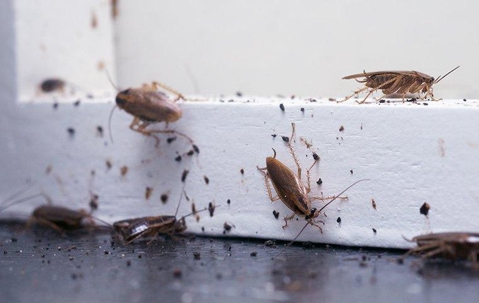
Repeated sightings in several rooms may indicate a larger population within the building or surrounding environment.
A professional pest inspection can help identify the cockroach species, locate likely hiding areas, and determine where treatment should be concentrated.
Drain Flies vs. Roaches: What’s the Difference?
Insects appearing around sinks and showers can sometimes be mistaken for one another. Two pests commonly associated with plumbing areas are drain flies and cockroaches.
Understanding the differences between drain flies vs. roaches can help homeowners recognize the problem and choose an appropriate response.
| Feature | Drain Flies | Sewer Roaches |
| Appearance | Small, fuzzy insects resembling miniature moths | Flattened, typically brown insects with long antennae |
| Size | Usually a few millimeters long | Varies by species; American cockroaches can reach approximately two inches |
| Movement | Weak, fluttering flight | Fast crawling; some species can fly |
| Common habitat | Organic buildup inside drains | Sewers, damp utility spaces, and sheltered structural areas |
| Common signs | Small flies resting near sinks and showers | Live cockroaches, droppings, and shed skins |
Drain flies develop in moist organic material that accumulates inside drains and similar environments. Their presence often indicates buildup that supports breeding.
Sewer-associated cockroaches generally use a wider range of hiding places, including utility spaces, structural openings, and underground infrastructure.
Accurate identification helps determine the source of activity and guides the next steps for control.
How to Prevent Sewer Roaches From Entering Your Home
Preventing sewer roaches begins with reducing accessible entry points and addressing conditions that support cockroach activity.
Plumbing maintenance is particularly important because damaged connections and unused drains may create opportunities for pests to enter.
Homeowners can reduce potential problems by following these practices:
- Maintain water in infrequently used drains. Periodically run water through guest bathroom sinks, showers, and floor drains to help maintain the P-trap seal.
- Repair plumbing leaks. Address dripping faucets, leaking connections, and other moisture problems that can attract cockroaches.
- Seal gaps around pipes. Inspect openings where plumbing passes through walls, floors, and cabinets. Use appropriate sealing materials to close accessible gaps.
- Keep kitchens and bathrooms clean. Remove food residue, grease, and other organic material that can provide food sources.
- Inspect utility areas. Check garages, laundry rooms, and storage spaces for moisture problems and signs of cockroach activity.
If you suspect a damaged drainpipe, recurring loss of a trap seal, or a problem with your sewer connection, contact a licensed plumber for an evaluation.
Avoid pouring pesticides or harsh chemical mixtures into drains. These products may create safety hazards, damage plumbing components, and fail to address the areas where cockroaches are sheltering.
Can You Get Rid of Sewer Roaches Yourself?
Homeowners can take several steps to reduce conditions that attract cockroaches and limit their access to indoor spaces.
Cleaning affected areas, correcting moisture problems, and sealing accessible openings can help make a property less favorable to these pests.
Maintaining plumbing fixtures and removing clutter from utility spaces may also reduce available shelter.
However, established cockroach populations can be difficult to control because the insects often remain concealed during the day. They may occupy sewer infrastructure, wall cavities, utility spaces, and other locations that homeowners cannot easily inspect.
Cockroaches can also reproduce in protected environments, allowing activity to continue even after visible insects have been removed.
Recurring sightings may indicate that additional inspection or targeted treatment is necessary.
If you’re having seasonal cockroach issues, read this blog to learn more.
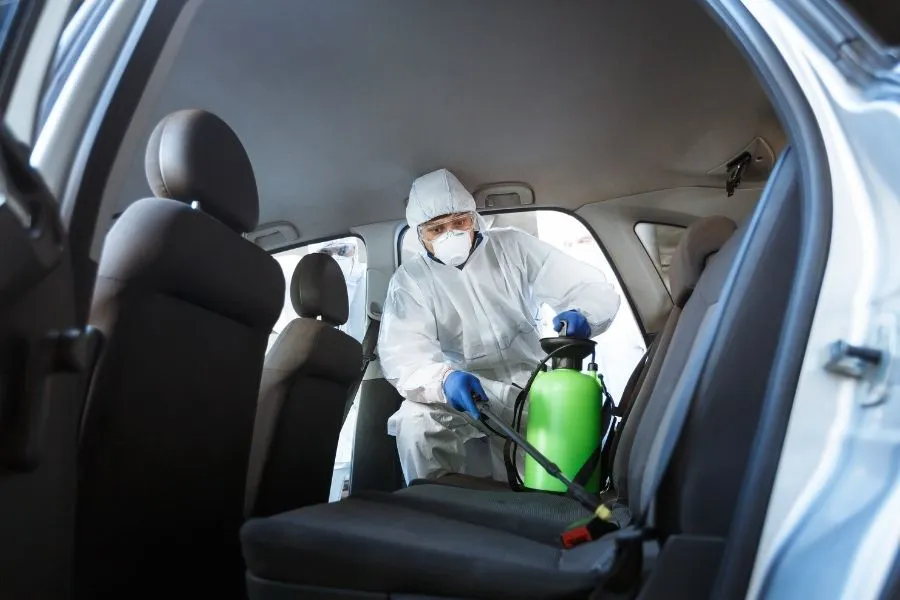
Professional cockroach control can help identify the species involved, evaluate likely hiding places, and address accessible areas where cockroaches are active.
When Should You Call Professional Cockroach Control?
An occasional cockroach sighting may result from an insect entering through an exterior opening. Repeated activity around drains, kitchens, and bathrooms can indicate a more persistent problem.
Consider scheduling a professional inspection if you notice:
- Cockroaches appearing repeatedly around sinks, showers, or floor drains.
- Live cockroaches in several rooms.
- Droppings, shed skins, or other evidence of ongoing activity.
- Cockroaches continuing to appear after plumbing repairs and sanitation improvements.
- Large numbers of cockroaches around utility spaces or exterior drainage areas.
Professional cockroach control begins with identifying the cockroach species and evaluating the conditions contributing to the infestation.
Treatment recommendations may include targeted applications in appropriate areas, monitoring, sanitation improvements, and recommendations for sealing entry points.
For sewer-associated cockroaches, effective management may also require correcting plumbing or structural conditions that allow continued access.
If you want to identify whether your home is infested by American or German roaches, read our blog.
Our team at Anver Pest Control focuses on identifying pest activity and recommending treatment strategies based on the conditions present at each property. We can help homeowners evaluate cockroach concerns and determine an appropriate approach to controlling the infestation.
Stop Sewer Roaches Before They Become a Bigger Problem
Sewer roaches can become a persistent concern when moisture, shelter, and accessible entry points allow them to move into residential spaces.
Drains, plumbing connections, and nearby structural openings are important areas to investigate when cockroaches repeatedly appear in bathrooms or kitchens.
Maintaining plumbing fixtures, addressing leaks, and reducing potential hiding places can help limit activity. When sightings continue, professional inspection and treatment can help identify the source and reduce the infestation.
If you’re finding cockroaches around your drains or elsewhere in your home, explore our pest control packages and schedule an inspection.
Frequently Asked Questions
Yes. Cockroaches can enter through certain drain openings when plumbing conditions allow access. Dry P-traps, damaged pipes, and other defects may create potential routes. Cockroaches can also enter through gaps around plumbing fixtures and appear near drains after entering from another location.
Boiling water may kill an insect it contacts directly, but it is an unreliable method for controlling sewer roaches. Cockroaches frequently shelter beyond the areas reached by poured water. Extremely hot water can also damage some plumbing materials or cause burns.
Bathrooms provide moisture, protected spaces, and access to plumbing connections. Cockroaches may be attracted to leaking fixtures, damp cabinets, or nearby hiding places. Repeated sightings can indicate an entry point or a population established in a concealed area.
Yes. Cockroaches can mechanically carry microorganisms from contaminated environments onto surfaces they contact. Their droppings and shed body parts can also contribute to indoor allergens. Cleaning contaminated areas and addressing an infestation can help reduce these concerns.
Drain cleaners are designed to address specific types of plumbing buildup and are unreliable for controlling cockroach infestations. Cockroaches may remain in areas beyond the cleaner’s reach. Effective control generally requires identifying hiding places, addressing entry points, and applying appropriate pest management methods.