You walk into the kitchen, notice a trail of tiny ants near the sink, and immediately assume you have sugar ants. That may be true, but the name does not identify one specific type of ant.
“Sugar ant” is a general term people often use for small household ants attracted to sweets, crumbs, and other food residue. The ants moving across your counter could be odorous house ants, Argentine ants, or another species with similar habits.
Understanding the difference between sugar ants and other common ants can help you choose a more effective removal method. Spraying the insects you can see may temporarily clear the counter, but it usually does little to address the colony behind the activity.
This guide explains how to compare sugar ants vs. regular ants, identify common household invaders, and prevent them from repeatedly returning to your Las Vegas home.
What Are Sugar Ants?
Despite the familiar name, sugar ants are not usually one specific species in the United States. Homeowners commonly use the term to describe any small ant that appears around sugary foods, spills, fruit, or kitchen surfaces.
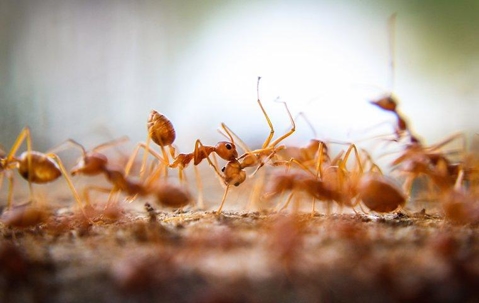
These ants may be especially noticeable near countertops, cabinets, sinks, pet bowls, and garbage cans. Once worker ants locate a food source, they leave behind a chemical trail that guides other members of the colony to the same location. That is why a few ants can quickly become a steady line across the kitchen.
Sometimes, the types of ants that Vegas homeowners point to and call “sugar ants” may be part of the odorous house ant or Argentine ant species. Both are small, social insects that can form large colonies and become difficult to manage once they establish consistent trails indoors.
Their colloquial name reveals something about their behavior: they crave a reliable source of food inside your home.
Sugar Ants vs. Regular Ants: What Is the Difference?
The main difference is that “sugar ant” describes an ant’s feeding behavior more than its species. “Regular ant” is an equally broad term that may refer to a variety of ant species commonly found around homes and landscaping.
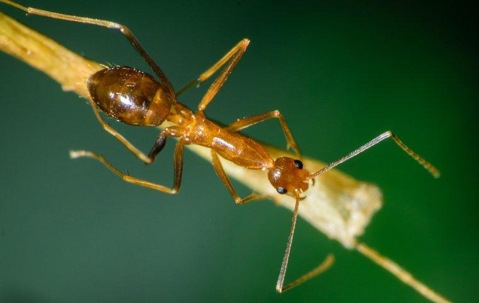
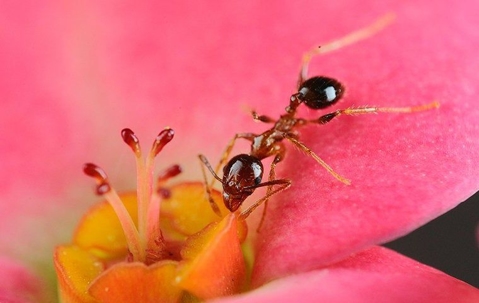
Ants called sugar ants are usually very small and may be light brown, dark brown, or nearly black. They are often noticed following organized trails toward syrup, juice, fruit, crumbs, soda residue, or pet food. However, their diet can change depending on the needs of the colony, so they may also seek grease or protein at different times.
Other ants can vary more widely in size, appearance, and behavior. Carpenter ants are much larger than the tiny ants commonly found in kitchens, while pavement ants are often associated with cracks in concrete and foundations. Some ants travel in clear trails, while others appear individually or stay mostly outdoors.
Nesting habits also differ. Small household ants may live outdoors and enter through cracks while foraging, or they may establish colonies inside walls, cabinets, insulation, and other protected areas. Some species create multiple connected nesting sites, which can make infestations more difficult to eliminate.
Color, size, trail patterns, food preferences, and the location of activity can all provide clues. Still, professional identification may be necessary when ants continue returning after cleaning and DIY treatment.
Common Ants Found Around Las Vegas Homes
Southern Nevada provides conditions that support several types of ants. Irrigated landscaping, pools, outdoor kitchens, pet areas, and temperature-controlled homes can all create appealing environments for a number of local ant species.
Odorous House Ants
Odorous house ants are small brown or black ants often found in kitchens and bathrooms. When crushed, they may release an unpleasant odor. Their colonies can contain multiple nesting sites, allowing them to spread throughout a structure.
Argentine Ants
Argentine ants are also small and commonly form long, active trails. They can establish very large colonies and may move indoors in search of food, water, or relief from outdoor conditions.
Carpenter Ants
Carpenter ants are larger and may appear near damp or damaged wood. They do not eat wood like termites, but they can excavate it to create nesting galleries.
Pavement Ants
Pavement ants commonly nest beneath concrete, driveways, patios, and foundations. They may enter homes through cracks and appear near floor edges or ground-level openings.
Identifying the species matters because a treatment that works for one type of ant may not fully address another.
How to Get Rid of Sugar Ants
There is usually more than meets the eye when removing ants. The ants traveling through your kitchen represent a small portion of the infestation. The queen, developing ants, and most of the workers remain inside the nest.
Start by cleaning countertops, wiping up the sticky residue that likely attracted them, and sweeping floors regularly. Pay attention to areas beneath appliances, around garbage containers, and inside cabinets where crumbs can collect. Pantry products should be stored in sealed containers, and pet food should not be left out longer than necessary.
Moisture should also be addressed. Check beneath sinks, around appliances, near plumbing fixtures, and along irrigation lines for leaks or damp areas. Bathrooms, kitchens, and laundry rooms may provide the water ants need even when food is limited.
Cleaning visible trails with soap and water may disrupt the scent path guiding ants toward food. However, this step should be paired with broader control efforts because removing a trail does not eliminate the colony.
Ant baits can be more effective than contact sprays because workers carry the bait back to the nest and share it with other ants. They work more slowly by design, since the worker must survive long enough to return to the colony. Placement and bait selection matter because ants may ignore a product that does not match their current food preference.
Always follow product instructions and keep treatments away from children and pets.
Got ants in your Vegas home? Read our blog to learn about removing ants without harsh chemicals.
Why Spraying Visible Ants Often Does Not Work
It is tempting to spray an ant trail as soon as it appears. While this may kill the ants on the surface, it rarely reaches the nest.
Random application of ant sprays can have a catastrophic effect of spreading an infestation. The colony can continue sending out new workers along the same route or create another trail nearby. With certain ant species, repellent sprays may disturb the colony and cause it to divide into additional nesting sites.
Repeated spraying may create a frustrating pattern in which the ants disappear briefly and return a few days later.
The most effective treatment plan focuses on species identification, nesting behavior, food sources, entry points, and treatments capable of affecting the colony itself.
How to Prevent Ants From Returning
Once ant activity has been brought under control, preventative maintenance can reduce the likelihood of another infestation.
Inspect areas around doors, windows, utility lines, plumbing penetrations, and the foundation for small gaps. Seal accessible openings with materials appropriate for the surface.
Plants and tree branches should be trimmed away from the structure because ants can use vegetation as a bridge to reach roofs, windows, and exterior walls.
Outdoor sanitation also matters. Clean food residue from patios and grills, keep garbage lids closed, avoid leaving pet food outside overnight, and repair irrigation leaks or standing water whenever possible.
Ant prevention is most successful when indoor cleaning, exterior maintenance, and targeted pest control work together.
When DIY Ant Control Is Not Enough
A few ants near a recent spill may disappear once the area is cleaned. Persistent trails, activity in multiple rooms, and ants returning after repeated treatment are probable cause for concern.
The nest may be hidden inside a wall, beneath flooring, behind cabinetry, or outside near the foundation. There may also be several connected colonies around the property.
Professional ant control can help determine which species is present and where the activity is originating. Treatment can then be selected according to the ant’s behavior rather than relying on a general spray.
It may be time to schedule an inspection if ant trails repeatedly return, activity appears in several areas of the home, store-bought baits are ignored, or the nesting area cannot be located. Larger ants found near damp or damaged wood should also be professionally identified.
Stop Ants at the Source
Comparing sugar ants vs. regular ants is not a simple comparison between species. Sugar ants are usually common household ants that have been given a nickname based on the foods they seek.
Although cleaning and sealing entry points can reduce activity, recurring infestations often require a strategy aimed at the colony. Killing the workers on the counter may clear the area temporarily, but it does not stop the ants waiting inside the nest, which you can read more about on our blog.
Anver Pest Control provides a variety of ant control packages in Las Vegas, Henderson, and surrounding Southern Nevada communities. Our team can identify the ants entering your property, locate conditions supporting their activity, and recommend a treatment plan designed for longer-lasting control.
Frequently Asked Questions
Sugar ants are not usually a distinct species. The term commonly describes small household ants attracted to sweet foods, while regular ants may refer to any ant species found indoors or around a property.
Ants commonly called sugar ants are usually small, brown or black, and found traveling in trails near food, sinks, cabinets, or countertops. A professional inspection may be needed to identify the exact species.
Remove accessible food and moisture, clean existing trails, and use properly selected ant baits that workers can carry back to the colony. Recurring infestations may require professional treatment.
Contact sprays usually kill only the visible worker ants. The nest remains active and can continue sending out new workers. Some sprays may also cause certain colonies to relocate or divide.
Consider professional ant control when trails repeatedly return, ants appear in multiple rooms, baits are ignored, or the nesting area cannot be found.