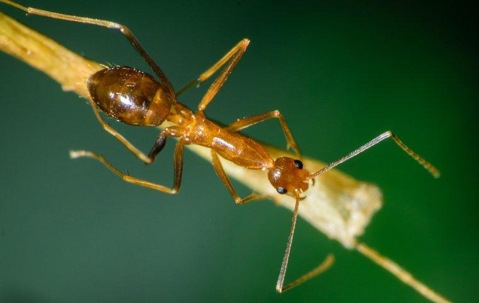
Ants slip into homes through windows and doors because these areas naturally develop tiny gaps that provide easy access to food, moisture, and shelter. Even well-sealed homes can experience ant problems after weather changes or seasonal activity increases. The sooner you block those entry points, the easier it is to stop an infestation before it spreads indoors.
Why Ants Are Coming In Through Windows & Doors
Ants rarely wander into a home at random. They follow specific cues, most of them related to food, moisture, or structural openings.
Scent Trails Lead Toward Food and Moisture
Ants navigate by pheromone trails. When one scout ant finds something valuable, like crumbs near a kitchen window or moisture on a window sill, it leaves a chemical trail that hundreds of other ants can follow. This is why wiping a window sill doesn’t always stop them unless the scent trail is broken completely.
Gaps in Window Frames and Worn Weather Stripping
Windows naturally shift over time due to temperature swings and humidity. This allows small gaps to form between the frame and the wall or along the sash. Ants only need a microscopic opening. Many species can enter through openings as small as 1 millimeter.
Old weather stripping becomes one of the biggest weaknesses. Once compressed or cracked, ants can walk straight through.
Door Tracks, Sliding Doors, and Hinge Gaps
Sliding door tracks collect crumbs, sugar from spills, dust, and moisture. For ants, this is a buffet paired with a protected travel tunnel. Hinge gaps along older doors can also become access points as wood dries out and contracts.
Structural Vulnerabilities
General wear, settling, and small cracks around stucco, siding, or trim often align directly with window and door frames. In Las Vegas, intense desert heat causes stucco and exterior materials to expand and contract, making these cracks especially common over time. These spots are prime entry points because ants prefer edges and corners, as they provide shelter and directional guidance.
Why are Kitchen-Facing Windows Targeted the Most?
Windows near kitchens are the most common problem because this is where food smells escape, crumbs fall, and moisture builds up from cooking. Even a faint scent is enough to activate ant foraging behavior.
How to Seal Windows to Stop Ants From Entering
Stopping ants begins with closing off the tiny openings they use to get inside.
Identify Cracks and Gaps
Start by inspecting the interior and exterior perimeter of the window. A flashlight helps illuminate areas where light shines through or where shadows change along the edges. Typical trouble spots include:
- The bottom corners of window frames.
- The seam between the frame and the drywall.
- Exterior siding or stucco cracks touching the window.
- Gaps where caulk has deteriorated.
If ants consistently appear in the same window, you can be confident there is a gap in that area.
Caulk the Window Frame
Caulking is the most effective way to seal cracks around windows. Use a silicone or latex-based exterior-grade caulk, both recommended by EPA and building specialists for weather and pest control. Apply a continuous, even bead along the gap, then smooth it to ensure it fully seals against the frame.
Proper caulking also helps block other pests, including spiders, roaches, and small beetles, which enter through the same points.
Use Weather Stripping for Loose-Fitting Windows
Weather stripping is ideal if the window doesn’t sit flush or has movable parts with gaps:
- Adhesive foam strips.
- Rubber V-seal.
- Felt weather stripping.
These materials help reduce drafts, save energy, and close off the pathways ants use. Weather stripping is one of the most recommended DIY pest-proofing fixes because it installs quickly and doesn’t require specialized tools.
How to Stop Ants Coming In Through Doors
Doors experience far more movement, friction, and weather exposure than windows, so they develop vulnerabilities faster.
Seal Door Frame Gaps
Door frames shift from years of opening and closing, temperature fluctuations, and foundation settling. Even small separations along the jamb or threshold give ants direct access.
Replacing damaged threshold seals and filling visible cracks around the frame is often enough to cut off the problem.
Fix Sliding Door Track Problems
Sliding door tracks accumulate:
- Crumbs.
- Spilled drinks.
- Sugar residue.
- Moisture from rain and irrigation.
Ants move through these grooves because they are sheltered and lead directly indoors. Cleaning the track with soapy water breaks ant scent trails and removes the debris that attracts them. Light lubrication afterward helps prevent gaps caused by damaged hardware.
Install Door Sweeps to Block Ant Entry
A door sweep closes the gap along the bottom of the door, one of the most common ant entry points. Look for:
- A sweep that spans the full door width.
- A brush or rubber style that stays flush with the floor.
- A height that touches the threshold without dragging.
Common installation mistakes include leaving the edges unsealed or installing it too high above the ground.
Natural Repellents to Keep Ants Away From Windows & Doors
These repellents help deter ants, but they work best when combined with sealing entry points.
Top Choice: Peppermint Oil Spray
University extension programs and entomology resources frequently recommend peppermint oil for ant deterrence because ants dislike the strong scent.
DIY mix:
- 10–15 drops peppermint essential oil
- 1 cup water
- Optional: 1 teaspoon mild soap to help it stick
Spray around sills, tracks, and frames. Avoid on painted surfaces that might react.
Vinegar Ant Barrier
Vinegar doesn’t kill ants, but it removes pheromone trails, which is essential for stopping repeat activity. Wiping window sills and door frames with a 50/50 vinegar-water blend helps disrupt their navigation.
Citrus Peels and Essential Oils
Limonene, the compound in citrus peels, has been shown to repel several ant species. Lightly rubbing the peel along the frame or using citrus essential oils provides a kid- and pet-friendly repellent option.
Eliminate What Attracts Ants to Your Windows & Doors
Sealing gaps won’t help if something outside or inside keeps drawing ants to the same area.
Moisture Sources Near Windows
Ants are extremely sensitive to moisture changes. Common triggers include:
- Window condensation.
- Leaky frames.
- Potted plant water run-off.
- Wet rags or towels drying near windows.
Moisture attracts both scout ants and entire colonies during warmer months.
Food Smells from Kitchen Windows
Even tiny food particles are enough to trigger foraging. The biggest attractors include:
- Crumbs on counters near a window.
- Bread or fruit stored too close to the sill.
- Airflow carrying kitchen odors outdoors.
A thorough wipe-down around cooking and eating areas helps reduce ant activity.
Outdoor Attractants Near Doors
These outdoor items often pull ants toward doors:
- Trash bins.
- Pet food bowls.
- Garden debris touching the door frame.
Keeping these several feet from your entryway helps minimize ant traffic.
Explore our guide on DIY ant poison here.
When DIY Is Not Enough
You may need expert help if:
- Ant activity returns repeatedly.
- There are multiple entry points around windows and doors.
- Colonies appear near the foundation, stucco, or siding.
- You see ants in multiple rooms.
Professional treatments target both the colony and the structural vulnerabilities around your home. Get safe, proven, and family-friendly ant control solutions in Las Vegas & Henderson with Anver Pest Control.