Rodents thrive in cities, where food, shelter, and water fuel infestations in restaurants, apartments, and businesses. Urban rodent control sanitation is crucial, requiring cleanliness, exclusion, and targeted pest control.
They spread disease, damage property, and contaminate food, making preventing rodents in city restaurants essential to avoid health violations and business losses. A proactive approach—sanitation, exclusion, and rodent traps in urban areas—helps control populations and protect public health.
Why Rodents Thrive in Urban Areas
Cities provide a steady supply of food, shelter, and warmth, making them an ideal breeding ground for rodents. The most common species found in urban environments include:
- Norway rats (Rattus norvegicus): These large rodents burrow into the ground, sewer systems, and basements.
- Roof rats (Rattus rattus): Agile climbers that nest in attics, rafters, and trees.
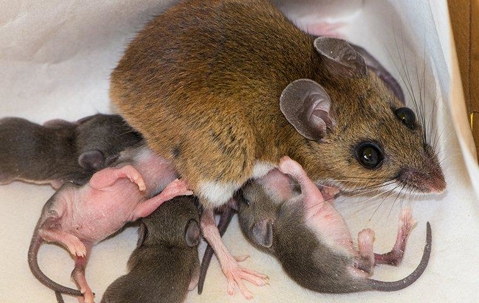
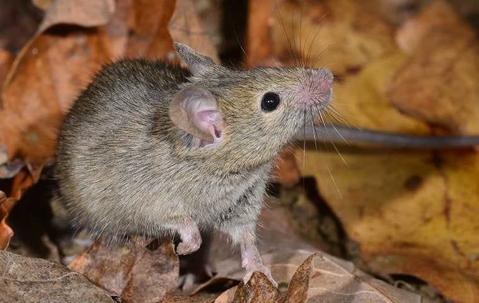
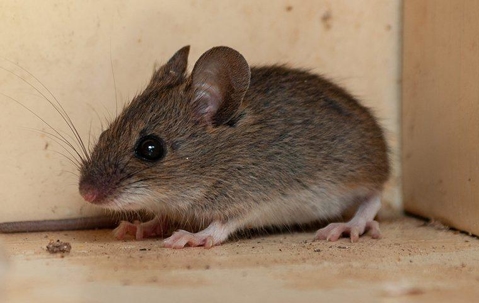
- House mice (Mus musculus): Small but persistent, these rodents can squeeze through tiny openings to enter homes and businesses.
Rodents reproduce rapidly, making early intervention essential. A single pair of rats can produce thousands of offspring in just a year. Their presence leads to food contamination, gnawed electrical wiring, and structural damage, making control efforts a necessity for urban areas.
The Role of Sanitation in Rodent Prevention
Maintaining a clean environment is one of the most important steps in urban rodent control sanitation. Rodents are opportunistic feeders and will consume anything available, including scraps, trash, and improperly stored food. Eliminating these food sources forces rodents to seek sustenance elsewhere, reducing infestations.
1. Waste Management Practices
- Use heavy-duty, sealed garbage bins to keep rodents out.
- Take the trash out regularly and avoid overflowing dumpsters.
- Clean garbage chutes and disposal areas frequently.
2. Restaurant and Kitchen Cleanliness
- Keep food preparation areas free of crumbs and grease buildup.
- Store dry goods in airtight containers to limit rodent access.
- Ensure that floor drains and grease traps are cleaned regularly.
3. Residential and Commercial Property Maintenance
- Keep basements, storage areas, and alleyways free of clutter.
- Fix leaky pipes and eliminate standing water sources.
- Clear out food waste quickly in shared living spaces and office breakrooms.
How Structural Maintenance Helps Prevent Rodents
Even the cleanest environments can experience rodent issues if buildings are not properly maintained. Rodents can squeeze through cracks, chew through insulation, and travel between spaces using vents or pipes. Sealing entry points is a crucial part of long-term rodent prevention.
1. Identify and Seal Entry Points
- Inspect walls, floors, and doorways for cracks and openings.
- Use steel wool or metal bars to block small gaps as rodents can chew through softer materials.
- Install door sweeps and weather stripping to close gaps under doors.
2. Modify the Surrounding Environment
- Trim tree branches and bushes that provide access to buildings.
- Store firewood and construction materials off the ground.
- Keep outdoor dining and waste disposal areas clean and well-maintained.

Using Natural Rodent Repellents in Urban Areas
Some property owners and businesses explore natural rodent-repellent city solutions as part of their pest control strategy. While natural repellents may not completely eliminate rodents, they can serve as a deterrent in combination with other prevention methods.
1. Essential Oils and Natural Scents
- Peppermint oil: A strong-smelling deterrent that can be applied near entry points.
- Eucalyptus and citronella: Used to create barriers that rodents find unpleasant.
- Predator urine: Some homeowners use fox or owl urine to mimic natural threats.
2. Ultrasonic Devices
- Emit high-frequency sounds intended to drive rodents away.
- Effectiveness varies, and they should be used alongside exclusion and sanitation efforts.
Best Practices for Using Rodent Traps in Urban Settings
For established infestations, trapping is a key component of rodent trap urban strategies. When placed correctly, traps help reduce rodent populations without the risks associated with rodenticides in public spaces.
1. Choosing the Right Trap
- Snap traps: Eliminate products quickly, reliably, and humanely.
- Live traps: Allow for humane capture and release.
- Bait stations: Preferred options for commercial properties.
2. Strategic Trap Placement
- Position traps along walls, in dark corners, and near known nesting areas.
- Avoid placing traps in open, high-traffic areas where they may be disturbed.
- Use multiple traps for larger infestations and check them regularly.
When to Call a Professional Pest Control Service
For businesses and property owners facing persistent rodent issues, professional intervention may be the best option. Pest control companies, like Anver Pest Control, offer comprehensive solutions tailored to the unique challenges of urban environments.
Benefits of Professional Rodent Control
- Expert inspections: Identify nesting sites, entry points, and problem areas.
- Targeted treatments: Use of professional-grade exclusion and baiting techniques.
- Long-term prevention: Ongoing monitoring and maintenance for continued protection.
Rodent problems can escalate quickly, leading to serious health and safety concerns. Businesses, homeowners, and city property managers looking for effective solutions should contact Anver Pest Control for expert rodent control in Las Vegas and Henderson.