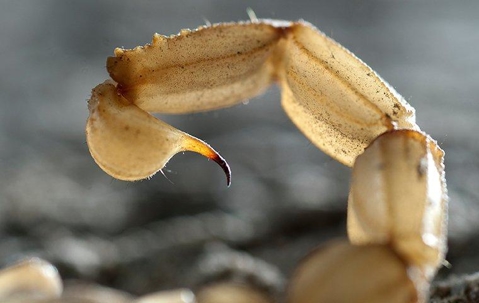
Scorpions are some of the most intimidating pests found in Henderson homes, and one of the most common questions homeowners ask is, “Do scorpions lay eggs?” The answer might surprise you: unlike many other insects, scorpions do not lay eggs. Instead, they give live birth to fully formed offspring.
Understanding how scorpions and other pests reproduce is a large part of effective pest control. Their speed, volume, and environmental needs directly impact how fast infestations spread and why professional treatment is often necessary to stop them.
How Scorpions Reproduce
Scorpions are unique in the pest world. While insects like cockroaches or ants lay eggs, scorpions carry their young inside their bodies. After mating, a female scorpion undergoes a gestation period that lasts several months. When the young are ready, she gives birth to dozens of tiny, white scorpions.
Immediately after birth, the babies climb onto their mother’s back, where they remain until their first molt. Only then do they become independent and start hunting on their own.
This reproductive process means that spotting one scorpion in your home could indicate many more nearby. Unlike egg-laying pests, where a clutch may or may not survive environmental challenges, scorpion offspring have a higher survival rate because they are protected during their earliest days.
How Many Scorpions Are Born at Once?
The number of babies depends on the species, but bark scorpions, the type most commonly encountered in Henderson, can produce between 20 and 30 offspring in one reproductive cycle. With favorable conditions, female scorpions may give birth once a year, creating a steady pipeline of new pests entering your home environment.
Their ability to survive with very little food or water makes scorpions especially persistent once they’ve established themselves indoors.
Comparing Scorpion Reproduction to Other Household Pests
While scorpions are unusual for giving live birth, other common household pests rely on egg production. The differences in speed and volume explain why some infestations explode faster than others.
Cockroaches
Do they lay eggs? Yes.
How fast? A single female cockroach can produce an egg case containing 16–50 offspring, depending on the species.
Environmental needs: Warm, humid spaces like kitchens and bathrooms are ideal.
Impact: Colonies grow quickly, and seeing one roach often means dozens are hidden nearby.
Ants
Do they lay eggs? Yes.
How fast? Queen ants can lay hundreds of eggs per day in established colonies.
Environmental needs: Ants prefer soil, walls, and foundations, but many species adapt easily to household conditions.
Impact: Colonies can reach tens of thousands within months, making them difficult to eliminate without professional treatment.
Rodents
Do they lay eggs? No, mice and rats give live birth.
How fast? A single female mouse can produce 5–10 pups every three weeks. Rats reproduce almost as quickly, with litters of up to 12.
Environmental needs: Food and shelter are key. Attics and walls provide perfect hiding spots.
Impact: Rodent populations double quickly, and they spread contamination and damage as they breed.
Bed Bugs
Do they lay eggs? Yes.
How fast? A female bed bug lays up to five eggs per day, with hundreds in her lifetime.
Environmental needs: Bed bugs thrive in warm, cluttered environments with access to human hosts.
Impact: Their stealthy habits and ability to go months without feeding make infestations long-lasting and difficult to detect early.
Reproductive Habits Determine Rate of Infestation
The way pests reproduce has everything to do with how infestations spread. For scorpions, live birth means higher survival rates for young, making a small number of adults enough to create a persistent problem. For cockroaches and ants, sheer volume ensures colonies grow faster than most homeowners can control on their own.
Rodents and bed bugs sit somewhere in the middle: their populations grow rapidly, but their survival depends heavily on access to food and hosts. Regardless of the species, once pests begin reproducing in or around your home, they rarely stop without intervention.
Why Infestations Don’t Resolve Naturally
It’s tempting to think a pest problem will fade over time, but the truth is pests reproduce with one goal: survival. Each species has evolved strategies to ensure their populations thrive. Scorpions can survive months on minimal resources. Bed bugs can go without feeding for long stretches. Cockroaches are famously resilient in almost any environment.
Left unchecked, infestations grow steadily, often doubling in size before most homeowners even notice. That’s why professional pest removal is the only reliable way to break the cycle.
Professional Pest Control for Long-Term Protection
DIY sprays or traps may kill visible pests, but they rarely address the root of the problem: nests, colonies, and hidden breeding grounds. Professional pest control takes reproductive habits into account, using targeted treatments to disrupt life cycles and prevent populations from rebounding.
So, do scorpions lay eggs? No, they give live birth, often to dozens of young at once. And they’re not alone in their persistence. Household pests reproduce in ways that allow them to thrive quietly until populations are overwhelming.
Anver Pest Control understands these reproductive cycles and provides treatments designed to stop pests where they start. If you’re seeing signs of pests or suspect there may be more hiding out of sight, pick a plan today to help regain control of your space.