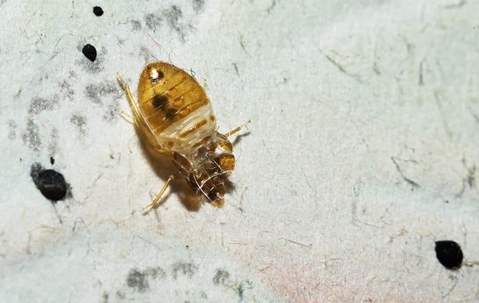
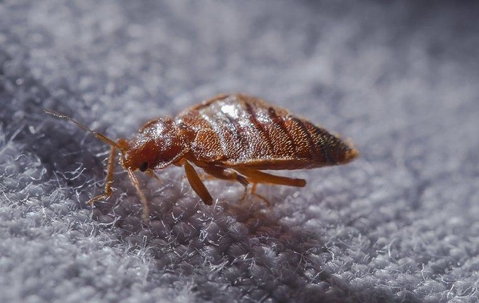
Most people think of bed bugs as a problem confined to bedrooms, hotels, or used furniture, but these pests are much more adaptable than their name suggests. If you’ve recently traveled, purchased secondhand items, or spent time in an infested space, there’s a chance bed bugs could hitch a ride in your car. While vehicles aren’t their ideal habitat, they can survive there long enough to become a serious concern.
Below, we’ll explore whether bed bugs can survive in cars, where else they can live, the traits that make them such resilient pests, and the truth about popular DIY “solutions.”
How Bed Bugs End Up in Cars
Bed bugs aren’t drawn to vehicles for food or shelter in the same way they are to mattresses or upholstered chairs. However, they are skilled hitchhikers. Common ways they make their way into cars include:
- Travel luggage: After staying in an infested hotel or short-term rental.
- Clothing and personal items: Picking up bugs from an infested home, workplace, or public space.
- Used furniture or textiles: Transporting secondhand couches, rugs, or bedding without proper inspection.
- Public transportation: Bed bugs can transfer from seats or other passengers’ belongings into your own items.
Once inside a car, they seek out the darkest, most hidden areas, the places where they won’t be disturbed and where it’s difficult to detect them without a thorough inspection.
Can Bed Bugs Survive in a Car?
Yes, they can, but their survival depends heavily on temperature and available hiding spots.
Temperature Limits
Sustained temperatures above 113°F for at least 90 minutes can kill bed bugs. While a parked car in summer can exceed this temperature, heat may not reach deep into cushions, seat seams, or carpet fibers where bed bugs hide.
Because they tend to burrow into small cracks or fabric layers, these insulated pockets can allow them to survive despite extreme temperatures in the main cabin.
Where Else Can Bed Bugs Survive?
Bed bugs have evolved to adapt to many different environments. Besides beds, they can live in:
- Upholstered furniture such as couches, recliners, and office chairs.
- Carpets and rugs, particularly along edges or under furniture legs.
- Baseboards and wall voids, often traveling through electrical outlets.
- Curtains and fabric drapes.
- Public spaces like libraries, theaters, buses, and trains.
- Suitcases, backpacks, and storage bins.
- Vacant spaces such as unused apartments or storage units, waiting months for a new host to arrive.
Their survival is not linked to cleanliness. Even the most well-maintained environments can harbor bed bugs if the opportunity arises.
Why Bed Bugs Are So Resilient
Several traits make bed bugs notoriously hard to eliminate:
- Extended fasting ability: Adults can survive months without a blood meal, and in cooler temperatures, some can last over a year.
- Temperature tolerance: While extremes can kill them, they can withstand a wide range of non-lethal temperatures for long periods.
- Rapid reproduction: A single female can lay hundreds of eggs, and infestations can multiply quickly.
- Resistance to insecticides: Many bed bug populations have developed resistance to commonly used chemicals.
- Expert hitchhiking: Their flat bodies allow them to slip into seams, zippers, and tiny crevices, making them easy to transport unnoticed.
Myth Busting DIY Solutions
When people suspect bed bugs, whether in a home, hotel, or car, it’s common to turn to internet “hacks” for quick fixes. Unfortunately, many of these methods are either ineffective or only provide short-term relief.
Myth: Baking soda kills bed bugs.
Fact: No scientific evidence supports this claim. Baking soda may absorb moisture, but it doesn’t kill bed bugs or their eggs.
Myth: Essential oils or dryer sheets repel bed bugs.
Fact: While certain scents may temporarily disturb them, they won’t eliminate an infestation.
Myth: Rubbing alcohol will solve the problem.
Fact: Alcohol can kill bed bugs on contact, but evaporates quickly and won’t affect hidden bugs or eggs. It’s also a fire hazard in confined spaces like cars.
Fact: Freezing at 0°F for several days can kill bed bugs and eggs. This is effective for small items that can fit in a freezer, but impractical for larger spaces.
Fact: Professional-grade heat treatments work. Heat sustained above lethal thresholds can penetrate deep into materials, killing all life stages.
Fact: Diatomaceous earth can be effective, but it works slowly and must be applied correctly to avoid health hazards from inhalation.
When to Worry About Bed Bugs in Your Car
Bed bugs in cars are rarely the source of an infestation. They’re usually a symptom of an existing one in your home or from travel. If you suspect they’ve made their way into your vehicle:
- Inspect thoroughly: Check seams in car seats, under mats, in seatbelt housings, and along door panels.
- Clean and treat: Vacuum thoroughly, launder removable fabrics on high heat, and use steam on upholstery.
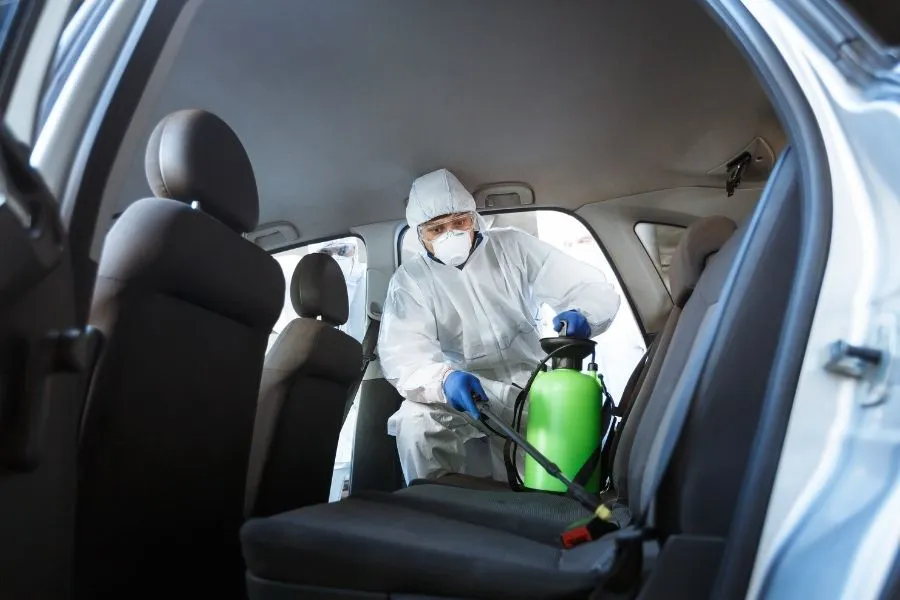
- Seek professional help: Pest control professionals can use targeted heat or chemical treatments that reach hidden areas in your vehicle.
Addressing the problem early prevents them from traveling back into your home or spreading further.
Got Bed Bugs? Here Are Your Next Steps
Bed bugs are survivors. They can live in cars, homes, public spaces, and just about anywhere humans spend time. Their ability to hide, go long periods without feeding, and resist many control methods means they require swift, thorough action.
If you suspect bed bugs have invaded your car, or anywhere else in your home or business, professional intervention is your best option.Anver Pest Control offers expert inspection and treatment services designed to fully eliminate bed bugs from even the most challenging hiding spots. Pick the pest management plan that’s right for your needs.